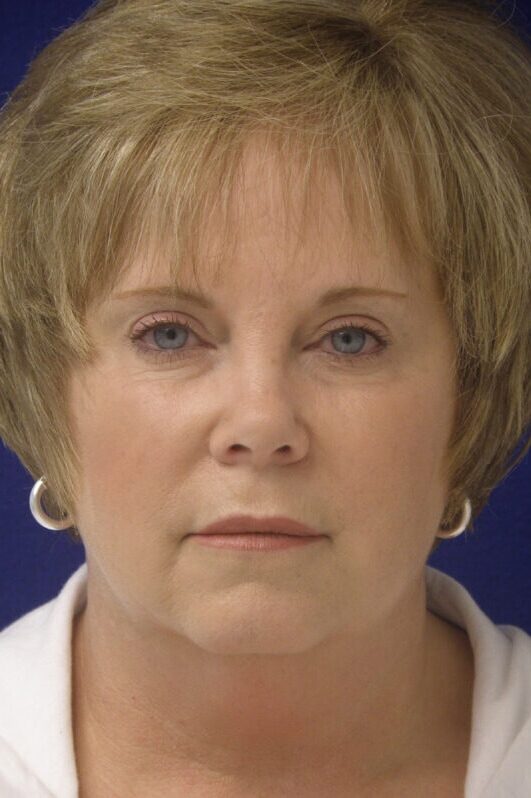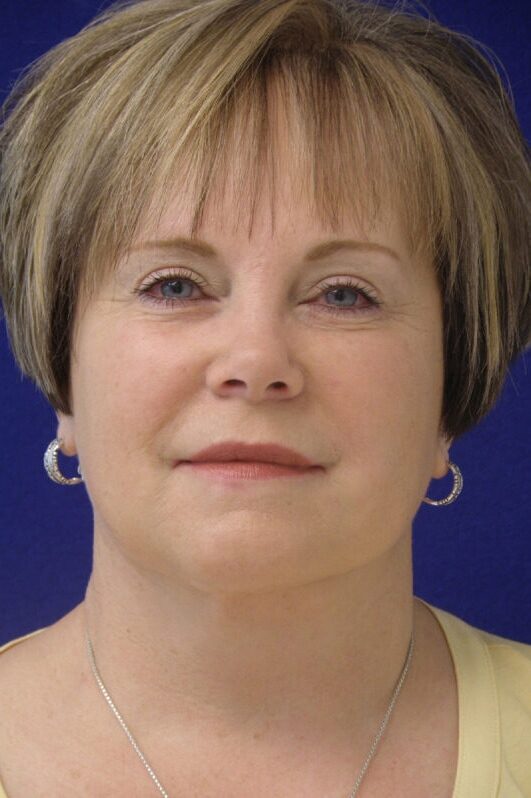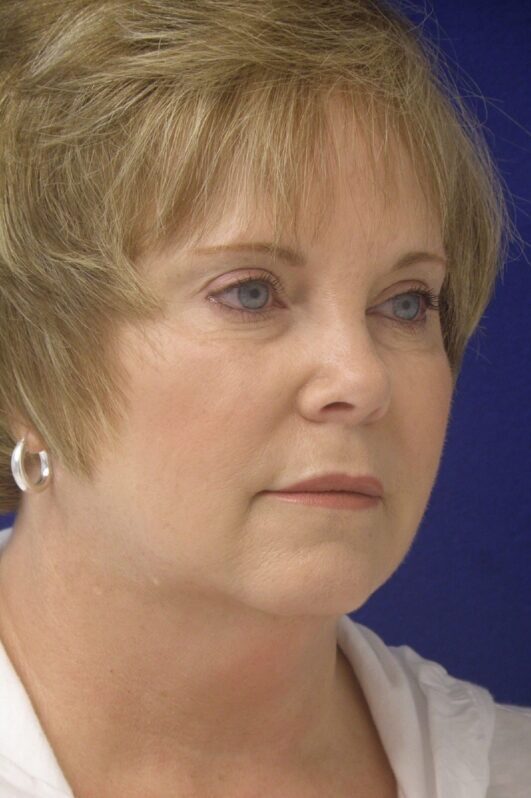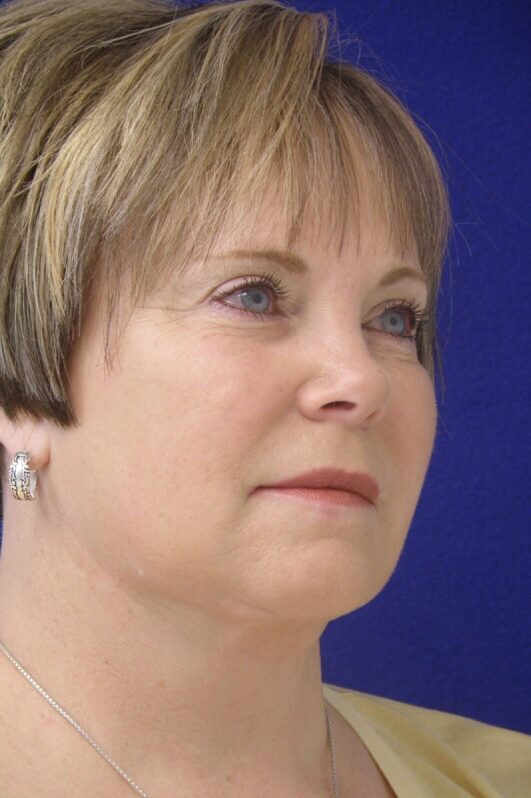
Facelift surgery is a popular cosmetic facial procedure known for its rejuvenating benefits and ability to improve self-confidence. By removing excess skin and tightening underlying musculature, facelift surgery can significantly reduce visible signs of aging in the lower face, jawline, and neck. Patients who want age-defying outcomes that are more long-lasting than the results from facial fillers can benefit from facelift treatment. Here at our practice, our highly-experienced team of plastic surgeons is dedicated to achieving beautiful, youthful, and natural-looking results for our facelift patients.
If you are interested in learning more about facelift surgery, we invite you to read the information provided below.
POTENTIAL BENEFITS: Designed to restore a more youthful, refreshed appearance by lifting and repositioning facial tissue rather than simply tightening the skin.
CANDIDATES: Typically ideal for patients in generally good health who are experiencing jowls, sagging along the jawline, loose skin in the lower face, or early signs of aging in the neck.
PROCEDURE: Customized surgical techniques are selected based on each patient’s facial anatomy, skin quality, and aesthetic goals to achieve natural-looking results.
RECOVERY: The healing period is typically measured in weeks, not months, with most patients returning to work and social activities once swelling and bruising have significantly improved.
SURGEONS: Our team includes a leader in the field of facial plastic surgery, Dr. S. Randolph Waldman, as well as Dr. J. Brad Turner, both skilled plastic surgeons who have extensive experience with customized facelift procedures designed to produce natural-looking results.
A facelift is one of the most effective ways to address visible signs of facial aging in a lasting and meaningful way. Rather than providing temporary improvement, facelift surgery is designed to restore the underlying structure of the face, helping patients look more refreshed while still looking like themselves.
One of the most noticeable benefits of a facelift is improvement along the jawline and lower face. As skin aFnd deeper tissues begin to loosen over time, the face can lose its natural definition. By lifting and repositioning the underlying facial structures, a facelift can create a smoother, more contoured appearance that better reflects a younger version of you.
Many patients also seek a facelift to reduce the appearance of jowls, deep facial creases, and loose skin. These concerns often develop gradually and can make the face appear tired or older than you feel. A carefully performed facelift can soften these changes while maintaining natural facial movement and expression.
Another important benefit offered by facelift surgery is the long-lasting nature of the results. While non-surgical treatments can provide subtle improvements, a facelift is designed to provide results that last for years. Patients often find that even as they continue to age, they still look younger than they would have without surgery.
Ultimately, a facelift is not about creating a dramatically different look—it is about helping you look refreshed, confident, and more like yourself again.

Good candidates for facelift surgery are usually individuals who want to address the following concerns:
Some patients may have additional conditions that they would like to improve. During your consultation, your plastic surgeon may suggest combining your facelift with other cosmetic procedures, such as neck liposuction or eyelid surgery, for more comprehensive results.

Depending on the patient’s unique needs and aesthetic goals, the following procedures can help enhance the results of facelift surgery:
Our plastic surgeons perform most facelifts in the privacy of our state-of-the-art accredited operating suite. While facelifts can be performed under either general or local anesthesia, our plastic surgeons prefer to use local anesthesia with monitored anesthesia care whenever possible. Some people refer to this as “twilight” anesthesia, and it is intravenously administered by one of our certified nurse anesthetists (CRNA).
At our practice, we perform facelift surgery using a highly-specialized deep plane technique 80% of the time and a SMAS (superficial musculoaponeurotic system) method 20% of the time. The deep plane approach tightens and elevates both the skin and the SMAS layers simultaneously in the deep plane layer of the face. This method is designed to protect and preserve the patient’s deep facial structures and avoid the overly-tight, unnatural look that facelift patients often do not desire. For the SMAS technique, the skin and SMAS layers are tightened separately rather than together. It is less invasive than the deep plane method, yet can still achieve the same beautiful, long-lasting results. Both methods are considered highly effective at diminishing signs of aging in the face. Your plastic surgeon will let you know which technique would be best for your individualized treatment plan during your consultation.
Facelift incisions are typically made within the hairline and creases of the outer ear so that any scarring can be easily concealed. For women, the incision usually begins in the hair behind the temple, passes just within the ear or in front of the ear (depending on the patient), and then loops around the earlobe back into the hairline. In men, the facelift incision may pass in front of each ear, where it can be hidden by the sideburns. It does not pass through the ear, as in women, because that would cause beard growth in the ear.
By using these incisions, your plastic surgeon can carefully lift and tighten the underlying tissue and musculature to achieve your desired look. They can also reposition or remove fat and skin for a more contoured appearance. For the final step of the procedure, your plastic surgeon redrapes the facial skin for a smoother and firmer facial appearance. We provide private overnight care for patients following their facelift surgery.
“Dr. Waldman is a perfectionist. He has performed several cosmetic procedures on me without incident. The results of my facelift give me a natural, relaxed appearance with which I am completely satisfied.”
Most of the time, patients will go home with a dressing, which their plastic surgeon removes the next day. Sutures are removed within 7-10 days, and bruising and swelling decrease to “socially acceptable” levels in 10-20 days. Final results are evident in 4-6 weeks or sooner, with continued improvement over several months. Most patients are able to return to work in 2-3 weeks or so. It is best for patients who will be attending major social engagements to allow themselves even more time to heal. Patients who undergo a “mini facelift” usually have a slightly shorter recovery period.
One of the most common concerns patients have about facelift surgery is whether the scars will be visible. In most cases, facelift scars are designed to be extremely discreet and become less noticeable over time.
Facelift incisions are typically placed in natural contours of the face, such as within the hairline, around the ear, and behind the ear where they can be easily concealed. This strategic placement allows our surgeon to perform the necessary lifting and tightening while minimizing visible signs of surgery.
In the early stages of healing, it is normal for incisions to appear slightly pink or raised. However, as the skin continues to heal, these marks usually soften and fade. Most patients find that once the healing process is complete, the scars are difficult for others to notice—even at a close distance.
Following your surgeon’s post-operative instructions can also play an important role in how well the incisions heal. Protecting the skin from sun exposure, keeping the incision sites clean, and allowing enough time for recovery can all contribute to smoother, less noticeable scars.
For many patients, the improvement in facial appearance far outweighs the minimal visibility of the incisions, especially when the procedure is performed with careful attention to detail and long-term results.
A facelift doesn’t stop the aging process but helps to “turn back the hands of time”. The rate at which facial aging occurs is greatly dependent upon how old a patient is and their lifestyle. Years after the surgery, patients can expect to look better than if they had never undergone facelift treatment. Most of our patients consider returning for a secondary surgery 7-15 years after their initial facelift to enjoy their results for even longer.
Our plastic surgeons believe that facelifts should be individualized, accommodating to each patient’s personal needs. Younger patients usually do not need as extensive a correction and can typically be treated with a less invasive procedure with shorter incisions and a quicker recovery time. Mini facelift incisions are usually limited to the front of the ear. Most mini facelift patients experience less bruising and swelling than individuals who undergo a full facelift. Your plastic surgeon will let you know during your consultation if you are a good candidate for a mini facelift.
For women, we generally recommend covering scars using a light foundation or concealer once the incisions are fully healed or when your plastic surgeon says it is okay to use makeup. Hair can also be grown out and styled in a way that conceals the scars. Men can easily cover bruising by wearing hats, but it is not uncommon for men to use makeup as well. Your plastic surgeon or our skin care specialist will discuss in more detail the many camouflage techniques that both men and women can use to disguise temporary bruising and swelling following facelift surgery.
To further reduce signs of facial aging, some of our facelift patients (about 30%) receive chin or pre-jowl silastic (clear rubber) implants to address bone or soft tissue (fat) resorption from the chin or the area just in front of the jowl. Implants in this area can be easily inserted through the same incision made beneath the chin for treatment of the neck. Sculpting of this type can lead to a better, more defined jawline and improvement in the appearance of the neck.
Oftentimes, liposuction is necessary and leads to improved results; however, our plastic surgeons are very careful in avoiding removal of too much fat. We utilize a small incision under the chin for liposuction and may even tighten the muscles of the upper neck at the same time.
As with any surgical procedure, there are some risks. In the hands of a competent and highly-experienced plastic surgeon, major complications are comparatively infrequent, and most patients are satisfied with their results. Here is a general list of potential, yet rare, risks associated with facelift surgery:
A careful consideration of the risks and benefits of facelift surgery is an important part of the consultative process. Your plastic surgeon will go over possible complications and answer any of your questions so that you are well-informed and confident in your decision to proceed with facelift treatment.
If you are interested in achieving a more youthful appearance with the help of facelift surgery, please schedule a consultation today by calling us at (859) 254-5665 or by filling out our online contact form.